

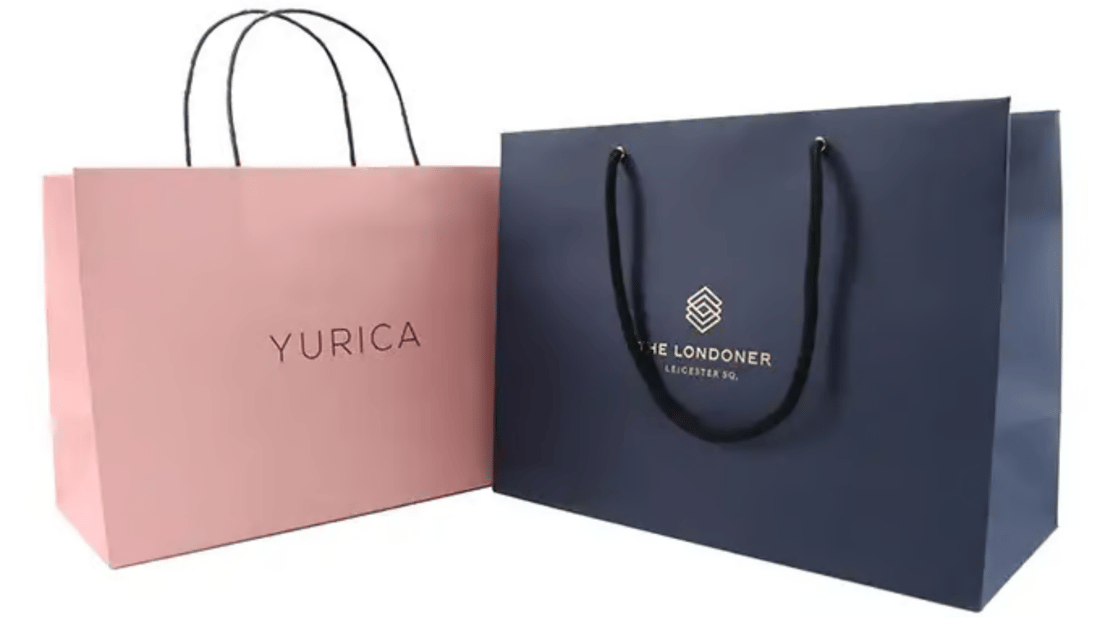
Introduction to Paper Bags for Cosmetics
As the beauty industry continues to evolve, the demand for sustainable packaging solutions has increased significantly. One such solution gaining popularity is the use of paper bags for cosmetics. These bags serve as an eco-friendly alternative to traditional plastic packaging, ensuring brands reduce their environmental footprint while maintaining aesthetic appeal and functionality. Paper bags for cosmetics provide a versatile packaging option that is both practical and visually attractive, making them an ideal choice for beauty brands committed to sustainability.
Environmental Benefits of Paper Bags for Cosmetics
Paper bags for cosmetics offer considerable environmental advantages compared to plastic counterparts. Being biodegradable and recyclable, these bags help reduce pollution and landfill waste. The production process of paper bags typically uses fewer non-renewable resources, and many manufacturers now utilize recycled paper materials, thereby minimizing carbon emissions. This environmentally responsible packaging option aligns perfectly with the growing consumer preference for green products in the cosmetics market.
Customization and Branding Opportunities
One of the most compelling features of paper bags for cosmetics is their excellent customization potential. Brands can easily print logos, patterns, and product information directly on the bags, enhancing brand visibility and customer engagement. Custom paper bags serve as a mobile marketing tool, helping to build brand identity while providing customers with an attractive and memorable packaging experience. Innovative printing techniques also allow the use of eco-friendly inks, ensuring the entire packaging remains sustainable.
Durability and Protection Offered by Paper Bags
Contrary to common misconceptions, modern paper bags for cosmetics are designed to be durable and protective. Reinforced paper fibers and laminated finishes improve strength and moisture resistance, ensuring that cosmetic products remain secure during transportation. Some designs include sturdy handles and additional compartments to organize products efficiently. Consequently, paper bags provide a practical solution that balances environmental benefits without compromising product safety.
Cost-Effectiveness of Using Paper Bags for Cosmetics
While initial costs for customized paper bags for cosmetics may be slightly higher than plastic bags, the long-term benefits often outweigh the expenses. Many brands find that investing in eco-friendly packaging attracts environmentally conscious customers willing to pay premium prices. Moreover, in some regions, government regulations impose fees or bans on plastic packaging, making paper bags a financially savvy alternative. Bulk manufacturing and technological advances have also reduced paper bag production costs over time.
Consumer Perception and Market Trends
Consumer demand for ethical and sustainable products has surged in recent years, directly impacting packaging preferences. Paper bags for cosmetics create a positive brand impression by signaling commitment to environmental responsibility. Research shows that many consumers associate eco-friendly packaging with higher product quality and are more likely to support brands using paper bags voluntarily. This trend is shaping the market dynamics within the cosmetics industry and pushing more companies to adopt greener packaging options.
Types and Styles of Paper Bags for Cosmetics
The variety of paper bags available for cosmetics is diverse, meeting different brand aesthetics and functional needs. From flat paper bags with simple folds to gusseted designs with reinforced handles, options abound. Kraft paper bags are popular due to their rustic and natural appearance, while bleached white paper bags offer a more premium look. Some manufacturers also provide laminated or coated paper bags for added durability and water resistance, tailored to specific product requirements.
Recyclability and Compostability of Cosmetic Paper Bags
Paper bags for cosmetics are highly recyclable and, in many cases, compostable—attributes that significantly reduce environmental impact after use. Customers can dispose of paper bags in recycling bins, ensuring materials are reprocessed instead of discarded as waste. Compostable paper bags break down naturally in composting environments, returning nutrients to the soil. These features complement the circular economy principles, positioning paper bag packaging as an integral component of sustainable beauty product lifecycle management.
Regulatory Compliance and Industry Standards
With increasing environmental regulations worldwide, many cosmetic companies face stricter packaging guidelines. Paper bags for cosmetics help brands comply with these evolving regulatory frameworks by offering alternatives to banned or restricted plastic packaging. Some regions require clear labeling of recyclability, biodegradable content, or the percentage of recycled material used; paper bags can be designed to meet these standards easily. Adopting paper bag packaging reduces risks associated with non-compliance and aligns brands with global sustainability goals.
The Future of Paper Bags in Cosmetics Packaging
Looking ahead, paper bags for cosmetics are expected to become more sophisticated through technological innovation and material science. Enhanced coatings made from plant-based polymers may improve moisture resistance without sacrificing compostability. Smart printing techniques could incorporate QR codes or augmented reality features directly on paper bags, enriching customer interaction. As consumer awareness and regulatory pressures continue to grow, paper bags are set to lead the cosmetics packaging sector toward a greener and more responsible future.